
Restoring North and South Dakota’s Wetland Landscapes
Tetonka Wetland Mitigation Banking delivers high-quality, Corps-approved wetland credits across multiple North and South Dakota service areas. Our restoration sites showcase the region’s natural hydrology, prairie wetland systems, and long-term ecological function. Each project is designed to meet and exceed regulatory performance standards while supporting agricultural resilience, water quality, and wildlife habitat.
Wetland Restoration & Creation
Our projects involve the creation of new wetlands where natural hydrology can be maintained, and the restoration of existing wetlands that have been degraded.
Upland Protection & Habitat Enhancement
Surrounding uplands are protected and enhanced to serve as critical buffers for the wetlands. This diversified habitat supports a wide range of native wildlife and plant communities.
Invasive Species Management
Our projects include ongoing management and removal of invasive species to ensure the establishment and long-term viability of native vegetation.
Our Active & Completed Restoration Sites
Wink Meadows Mitigation Site
Wink Meadows is located within a historically drained prairie pothole landscape where decades of agricultural use altered natural wetland hydrology. The restoration strategy at this site focused on re-establishing shallow wetland basins, removing or disabling drainage infrastructure, and jump-starting native vegetation recovery.
Today, Wink Meadows exhibits strong hydrologic response across multiple wetland cells. Early wet meadow vegetation is expanding, and emergent species are re-occupying depressional zones. Seasonal water storage, improved soil moisture, and visible shifts in species composition indicate a successful trajectory toward fully functioning prairie pothole wetlands. Wink Meadows continues to demonstrate reliable ecological uplift, setting a solid foundation for long-term performance.
Sourdough Flats Project
Sourdough Flats features a large, shallow-basin prairie wetland system historically impacted by drainage and agricultural conversion. Restoration at this site focused on disabling drainage ditches, enhancing runoff retention, and re-establishing native hydrophilic vegetation.
The site now supports expansive wet meadow habitat with seasonal inundation patterns characteristic of healthy prairie pothole systems. Vegetative monitoring shows strong establishment of sedges, rushes, and warm-season grasses, while wildlife usage—including waterfowl and pollinators—continues to increase. Sourdough Flats highlights the success of restoring broad wetland complexes in open prairie landscapes.
Mekinock Wetland Complex
The Mekinock Wetland Complex is a corridor-style restoration project designed to re-establish hydrologic connectivity and enhance emergent wetland habitat across a historically modified landscape. Restored drainage patterns now support persistent wetland hydrology, improved plant community structure, and increased ecological diversity.
The site shows a strong mix of emergent marsh species, wet meadow communities, and transitional prairie vegetation. Hydrologic monitoring confirms stable water levels and seasonal variability aligned with natural wetland processes. Mekinock has become an important ecological feature within the surrounding agricultural matrix, offering high-value habitat and reliable wetland function.
Little Coulee Restoration Site
Little Coulee is a dynamic restoration site focused on re-establishing natural stream meanders, riparian buffers, and interconnected wetland basins. Decades of channelization and agricultural alteration reduced ecological function; restoration efforts have reversed these impacts by rebuilding stable hydrology and riparian wetland form.
Today, the restored coulee supports diverse wetland vegetation, improved water retention, and enhanced floodplain engagement. Native grasses and sedges are expanding across the wet meadow zones, while the restored channel is beginning to show natural variability and habitat complexity. Little Coulee exemplifies integrated riparian–wetland restoration in the prairie landscape.
Jandl Prairie Wetland Site
The Jandl site demonstrates successful conversion from intensive agricultural use to a fully restored prairie wetland and grassland system. Restoration interventions included strategic hydrologic reconnection, surface roughening, and comprehensive native seeding across the wetland basins and upland buffers.
The result is a rapidly maturing mosaic of wet meadow vegetation, native grasses, and seasonal wetland pools that support a wide range of ecological functions. Monitoring shows increasing plant diversity, stable hydrology, and strong wildlife presence. Jandl continues to progress toward a high-functioning prairie wetland complex that aligns with Corps performance standards.
Hatch Wetland System
The Hatch project centers on restoring a degraded wetland basin system impacted by historic agricultural drainage. Restoration activities included removing drainage features, re-establishing depressional basins, and promoting emergent vegetation recovery.
Cattails, sedges, and wet prairie species have reoccupied the site, forming a stable emergent wetland community. Water-holding capacity has increased significantly, providing improved floodwater retention and habitat value. Hatch demonstrates reliable wetland function and effective hydrologic restoration within open agricultural landscapes.
Farr’s Landing Project
Farr’s Landing is one of the larger multi-basin restoration efforts in the Tetonka program. The site includes reconstructed wetland basins, restored hydrologic connections, and a broad matrix of wet meadow and transitional vegetation zones.
The project has shown strong hydrologic performance, with consistent water retention across basins and steady increases in native plant cover. Wildlife utilization—including waterfowl, shorebirds, and pollinators—has expanded year over year. Farr’s Landing continues to mature as a high-functioning wetland restoration area delivering significant ecological benefits.
Tetonka-1 Restoration Area
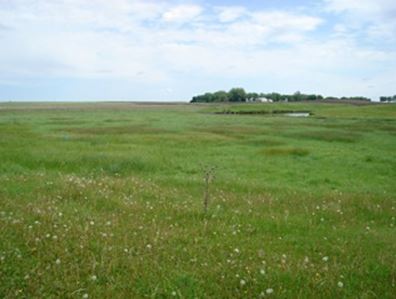
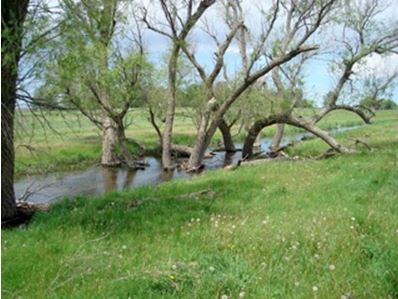
The Tetonka-1 Restoration Area represents one of the earliest large-scale wetland reconnection efforts within the Tetonka portfolio. Historically drained and converted for agriculture, this site has undergone comprehensive hydrologic restoration designed to re-establish prairie pothole wetland function across multiple basins.
Restoration activities at Tetonka-1 focused on disabling legacy drainage, reshaping natural depressions, and promoting the return of native wet meadow and emergent vegetation. Early monitoring shows strong re-wetting throughout the basins and a steady transition from agricultural grasses to native prairie species. The restored hydrology is supporting seasonal water storage, improved habitat structure, and enhanced ecological function across the site.
Tetonka-1 continues to demonstrate measurable uplift in vegetation diversity, water-holding capacity, and wildlife use—serving as a foundational example of the long-term restoration outcomes that guide the entire Tetonka Mitigation Banking program.
Tetonka-2 Restoration Area
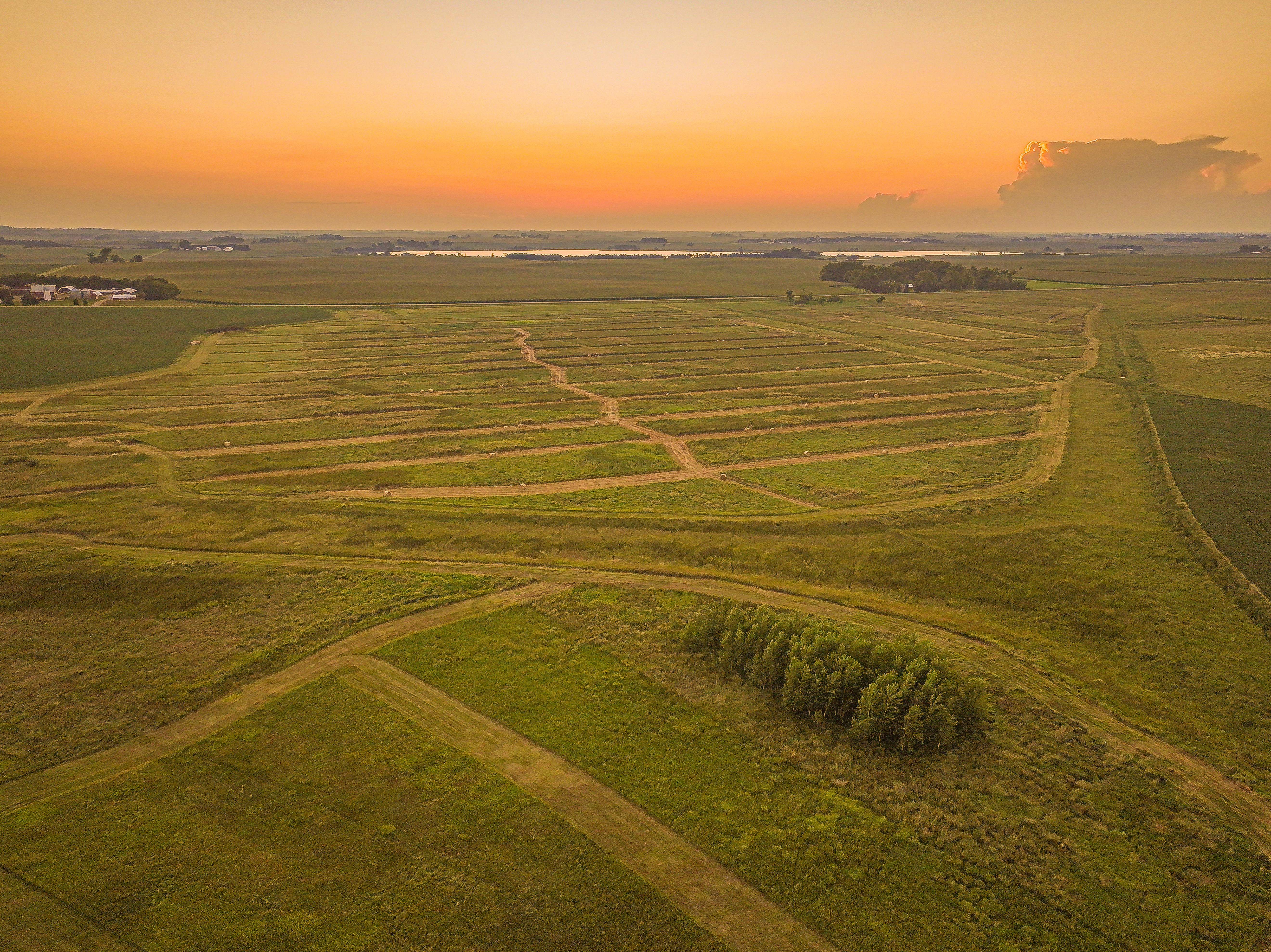
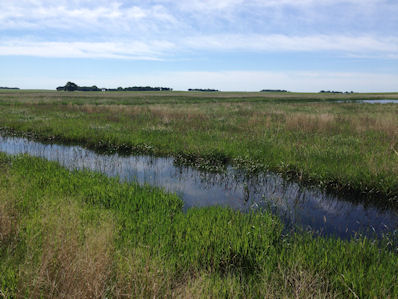
Tetonka-2 represents a comprehensive, field-scale restoration within the Tetonka program. Initially characterized by uniform crop production, the site has been reshaped to reflect its natural mosaic of wetland basins, shallow marshes, and transitional grasslands.
Extensive hydrologic reconnection, surface grading adjustments, and vegetation establishment efforts have created a diverse patchwork of wetland habitats. Aerial monitoring shows consistent re-wetting across the basins and rapid colonization by native wetland species. Vegetation structure is becoming increasingly complex, supporting amphibian movement, migratory bird use, and improved ecosystem function. Tetonka-2 is on a strong performance trajectory with measurable increases in wetland function and landscape-level resilience.
Contact Us Today
to reserve your Tetonka Wetland Mitigation Bank credits and proceed with your project on schedule and in full compliance.
Copyright 2026 Tetonka Wetland Mitigation Banking, all rights reserved.